
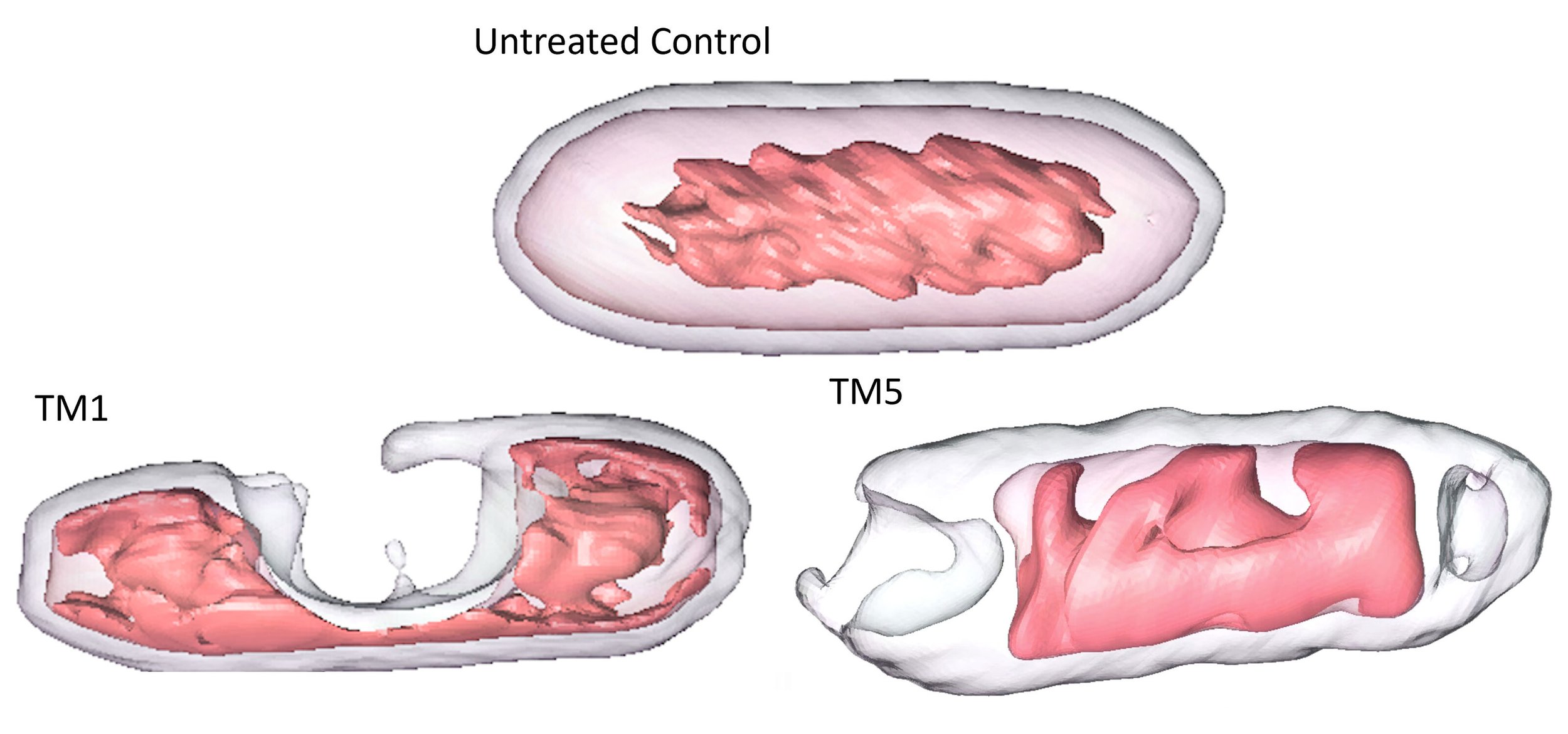

Antimicrobial peptoids pass rapidly through bacterial membranes and flocculate ribosomes and DNA
Yanyu Zhu from the Weisshaar Lab (U. Wisconsin, Madison) and the Barron Lab (Stanford) discusses his paper in Proceedings of the National Academy of Sciences on the intracellular crosslinking mechanism of action of antimicrobial peptoids.
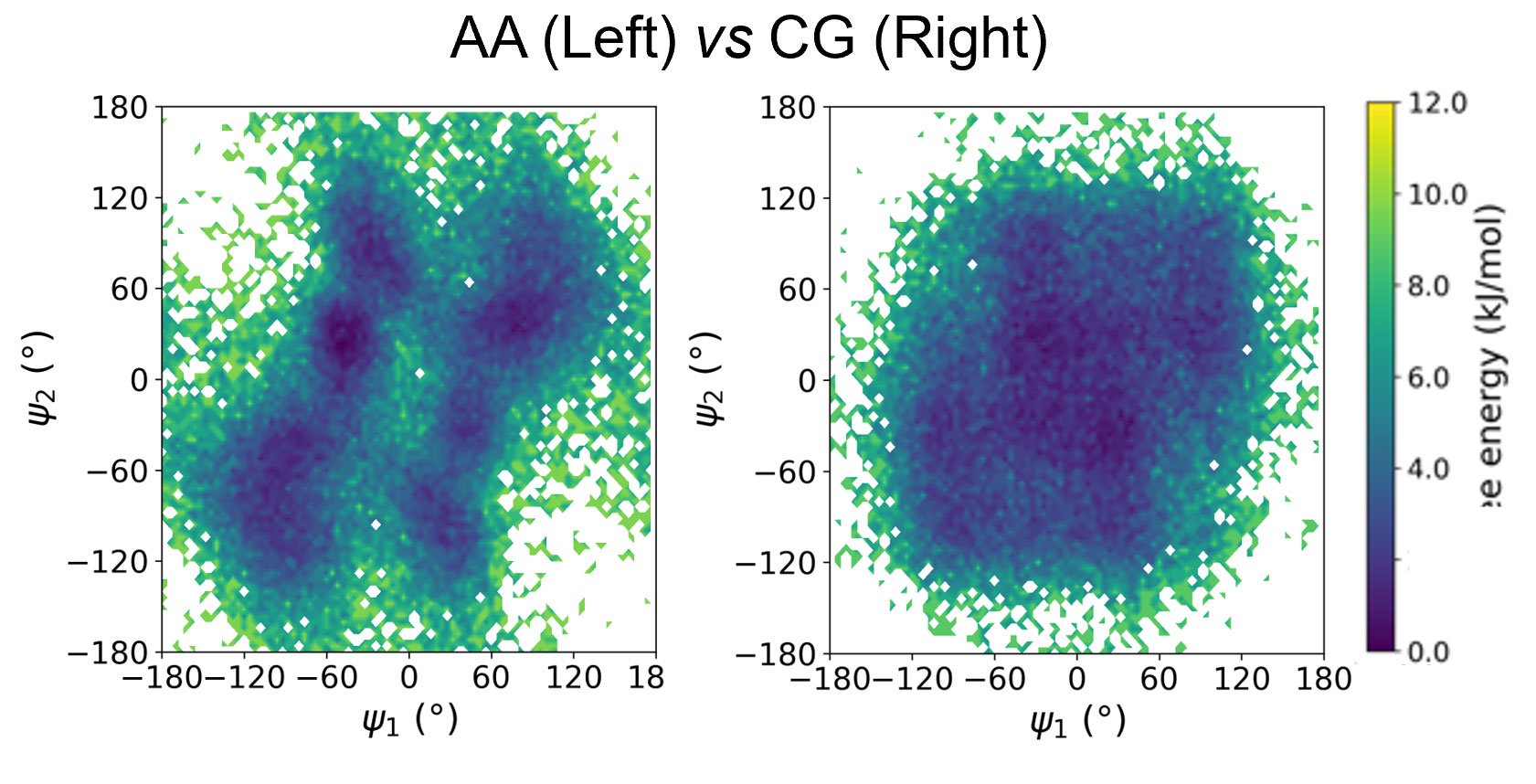
Extending the MARTINI 3 Coarse-Grained Force Field to Polypeptoids
Jiaxin Wang from the Zhao Lab at the University of Alabama, discusses her paper in the Journal of Chemical Theory and Computation on improved methods for the coarse-grained modeling of peptoid polymers, enabling the study of nanoscale assembly behavior in complex systems.
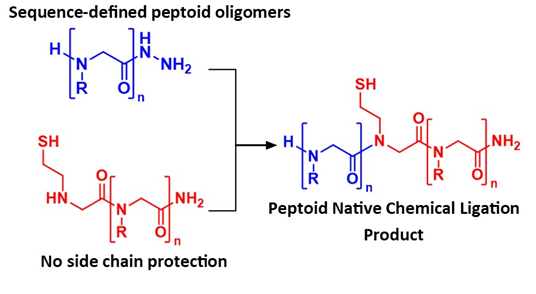
Native Chemical Ligation of Peptoid Oligomers
Matthew Seraydarian from the Kirshenbaum Lab at New York University shares his paper in Biochemistry on a method for the native chemical ligation of peptoid oligmers to create a series of nano sheet-forming peptoid sequences.
Atomic-Scale Imaging Reveals Polar‑π Interactions in Two-Dimensional Molecular Superlattices
Yen Jea Lee from the Abel and Zuckermann labs at Lawrence Berkeley National Lab and UC Berkeley shares his paper in the Journal of the American Chemical Society on peptoid binary superlattices stabilized by the precision placement of polar-pi interactions into the nanosheet lattice.
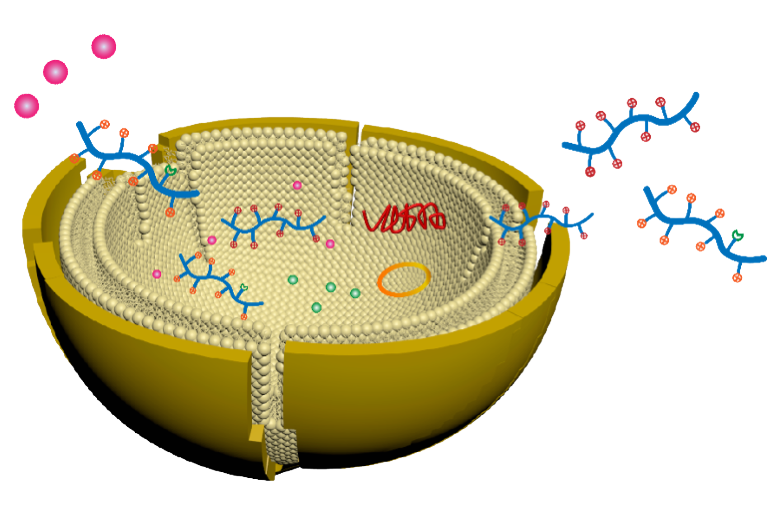
Antibacterial Polypeptoid Nanovesicles for Precision Treatment of Multidrug-Resistant Infections
Yiyu Gong from the Sun lab at Jilin University in China shares her paper in Advanced Materials on peptoid polymer that forms nanovesicles that can target, deliver and release antimicrobial agents in lung and skin mouse models.
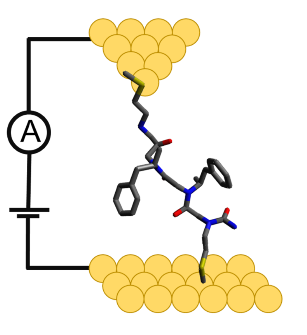
Single-molecule Electron Transport in Peptoids
Brittany Prempin and Rajarshi Samajdar from the Schroeder lab at Princeton University and University of Illinois, Champaign-Urbana share their paper in the Journal of Physical Chemistry B on single-molecule electron transport in peptoids.
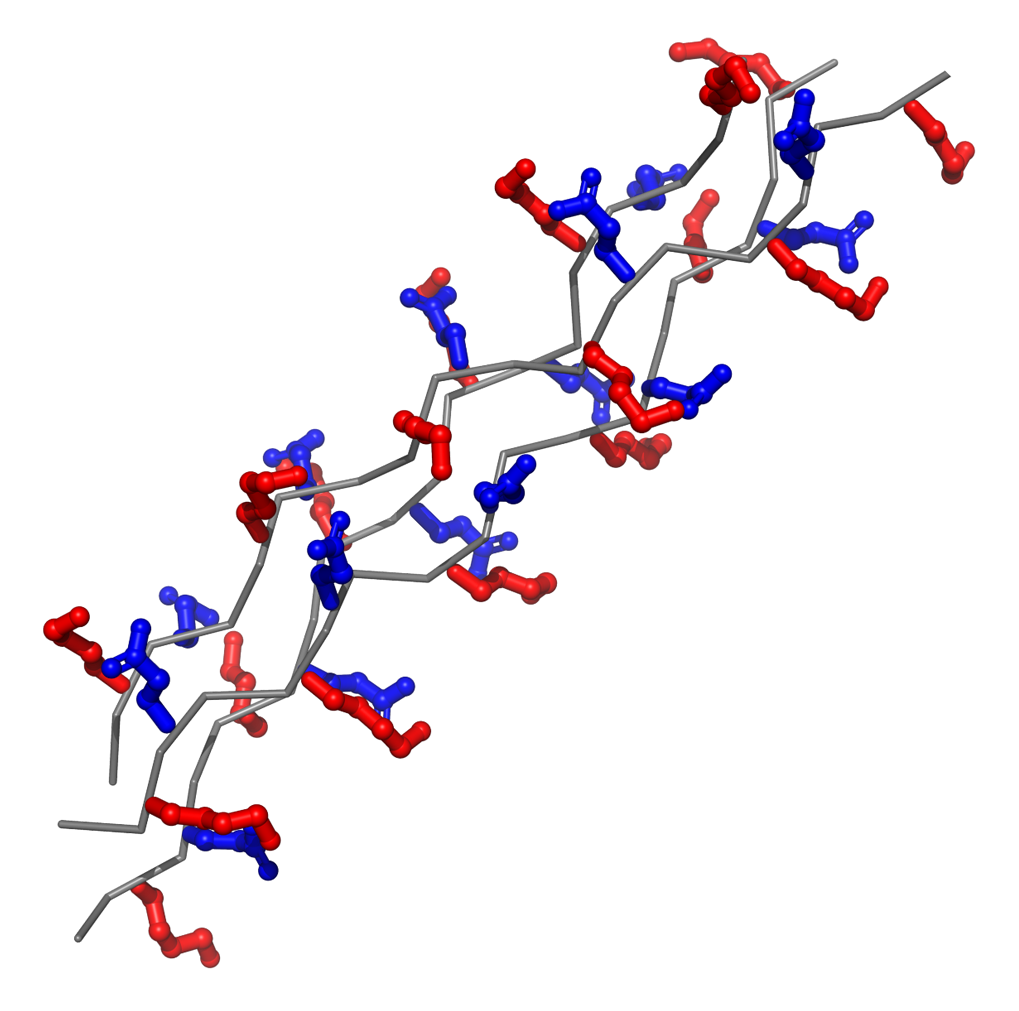
Data-Driven Engineering of Thermostable Collagen-Mimetic Peptoid Triple Helices
Alex Berlaga, graduate student in the Ferguson lab at University of Chicago, shares his paper in Macromolecular Rapid Communications on designing stable peptoid collagen mimetic using machine learning.